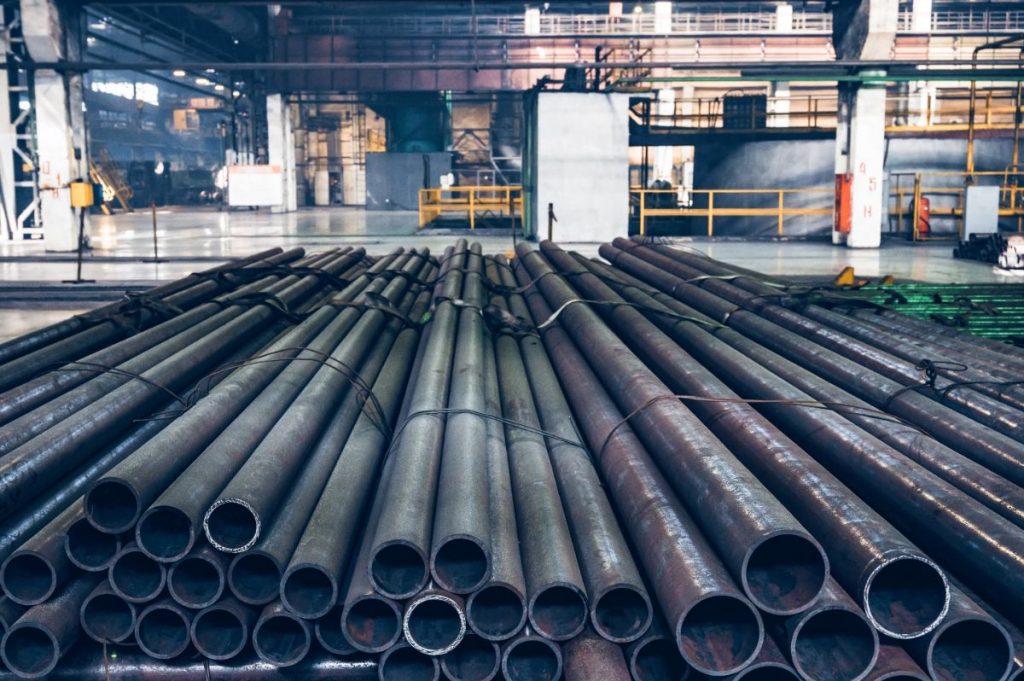
Choosing the Right Thick Wall Steel Tube for Heavy-Duty Applications
Introduction
Thick wall steel tubes are essential components in a wide range of heavy-duty applications, from construction and engineering to transportation and manufacturing. Their exceptional strength, durability, and dimensional stability make them the ideal choice for demanding environments where reliability and performance are paramount. However, selecting the right thick wall steel tube for a specific application requires careful consideration of several key factors, including material grade, wall thickness, diameter, and surface treatment.
Material Grade
The material grade of a thick wall steel tube refers to its chemical composition and mechanical properties. Common grades include:
- ASTM A500 Grade B: A general-purpose steel with good strength and weldability.
- ASTM A519 Grade 100: A high-strength steel with excellent tensile strength and yield strength.
- ASTM A513 Type 5: A corrosion-resistant steel with good strength and toughness.
- ASTM A106 Grade B: A seamless steel with high strength and resistance to wear and tear.
The choice of material grade depends on the specific requirements of the application, such as load-bearing capacity, corrosion resistance, and weldability.
Wall Thickness
The wall thickness of a thick wall steel tube is a critical factor in determining its strength and load-bearing capacity. Thicker walls provide greater strength and rigidity, but also increase the weight and cost of the tube. The optimal wall thickness depends on the application’s load requirements and the desired safety factor.
Diameter
The diameter of a thick wall steel tube refers to the outer diameter of the tube. Larger diameters provide greater strength and stiffness, but also increase the weight and cost. The choice of diameter depends on the space constraints of the application and the required load-bearing capacity.
Surface Treatment
The surface treatment of a thick wall steel tube can enhance its corrosion resistance, durability, and aesthetic appeal. Common surface treatments include:
- Galvanizing: A zinc coating that provides excellent corrosion protection.
- Powder Coating: A durable and decorative coating that is available in a wide range of colors.
- Painting: A cost-effective option that provides basic corrosion protection and color customization.
The choice of surface treatment depends on the environmental conditions, desired aesthetics, and maintenance requirements of the application.
Additional Considerations
In addition to the key factors discussed above, other considerations when choosing a thick wall steel tube include:
- End Finish: The type of end finish, such as plain end, beveled end, or threaded end, affects the ease of installation and connection.
- Length: The length of the tube should be sufficient for the application’s requirements, considering any necessary cutting or welding.
- Quality Assurance: Ensure that the tube meets industry standards and has been manufactured by a reputable supplier with a proven track record.
Conclusion
Choosing the right thick wall steel tube for heavy-duty applications requires a comprehensive understanding of the key factors involved, including material grade, wall thickness, diameter, surface treatment, and additional considerations. By carefully considering these factors and selecting a tube that meets the specific requirements of the application, engineers and designers can ensure optimal performance, reliability, and longevity.
Post a Comment for "Choosing The Right Thick Wall Steel Tube For Heavy-Duty Applications"