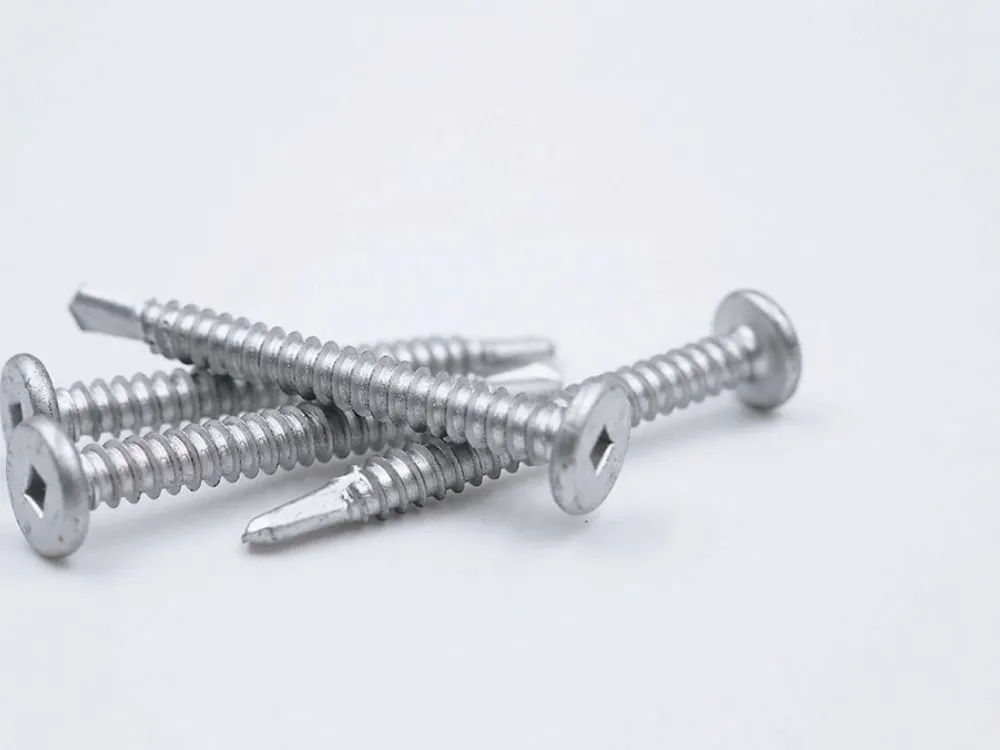
Securing Surfaces: Stainless Steel Trim Screws
Introduction
Stainless steel trim screws are a versatile and durable solution for securing surfaces in a wide range of applications. Their resistance to corrosion, strength, and aesthetic appeal make them an ideal choice for both indoor and outdoor projects. This comprehensive guide will delve into the intricacies of stainless steel trim screws, exploring their types, applications, and best practices for installation.
Types of Stainless Steel Trim Screws
Stainless steel trim screws come in various types, each suited to specific applications. The most common types include:
- Type 304: The most widely used stainless steel type, offering excellent corrosion resistance and strength.
- Type 316: A higher-grade stainless steel with enhanced corrosion resistance, making it suitable for marine and coastal environments.
- Type 410: A martensitic stainless steel with high strength and hardness, often used in automotive and industrial applications.
- Type 430: A ferritic stainless steel with good corrosion resistance and magnetic properties, commonly used in decorative applications.
Applications of Stainless Steel Trim Screws
Stainless steel trim screws find application in numerous industries, including:
- Construction: Securing drywall, siding, and roofing
- Automotive: Attaching interior and exterior trim
- Marine: Fastening boat decks, railings, and hardware
- Industrial: Assembling machinery, equipment, and pipelines
- Furniture: Joining furniture components and securing upholstery
Benefits of Stainless Steel Trim Screws
Stainless steel trim screws offer several advantages over other types of fasteners:
- Corrosion Resistance: Stainless steel’s chromium content forms a protective oxide layer that resists corrosion, making it ideal for outdoor and humid environments.
- Strength: Stainless steel is stronger than most other metals, providing secure hold in demanding applications.
- Durability: Stainless steel trim screws are resistant to wear and tear, ensuring long-lasting performance.
- Aesthetic Appeal: The sleek and polished finish of stainless steel enhances the appearance of any project.
Installation Best Practices
Proper installation is crucial for ensuring the longevity and performance of stainless steel trim screws. Follow these best practices:
- Use the Correct Screw Size: Choose screws that are the appropriate length and diameter for the application.
- Pre-Drill Pilot Holes: Drilling pilot holes prevents the wood from splitting and ensures a clean installation.
- Countersink the Screws: Countersinking the screws below the surface of the material creates a flush and professional finish.
- Use a Screwdriver with a Magnetic Tip: This helps prevent the screws from falling out during installation.
- Tighten the Screws Securely: Ensure the screws are adequately tightened but avoid overtightening.
Conclusion
Stainless steel trim screws are an indispensable tool for securing surfaces in a wide range of applications. Their corrosion resistance, strength, and aesthetic appeal make them an ideal choice for both indoor and outdoor projects. By understanding the different types, applications, and installation best practices, you can effectively utilize stainless steel trim screws to achieve secure and durable results.
Post a Comment for "Securing Surfaces: Stainless Steel Trim Screws"