Understanding Schedule 80 Pipe Steel for Heavy-Duty Applications
Introduction
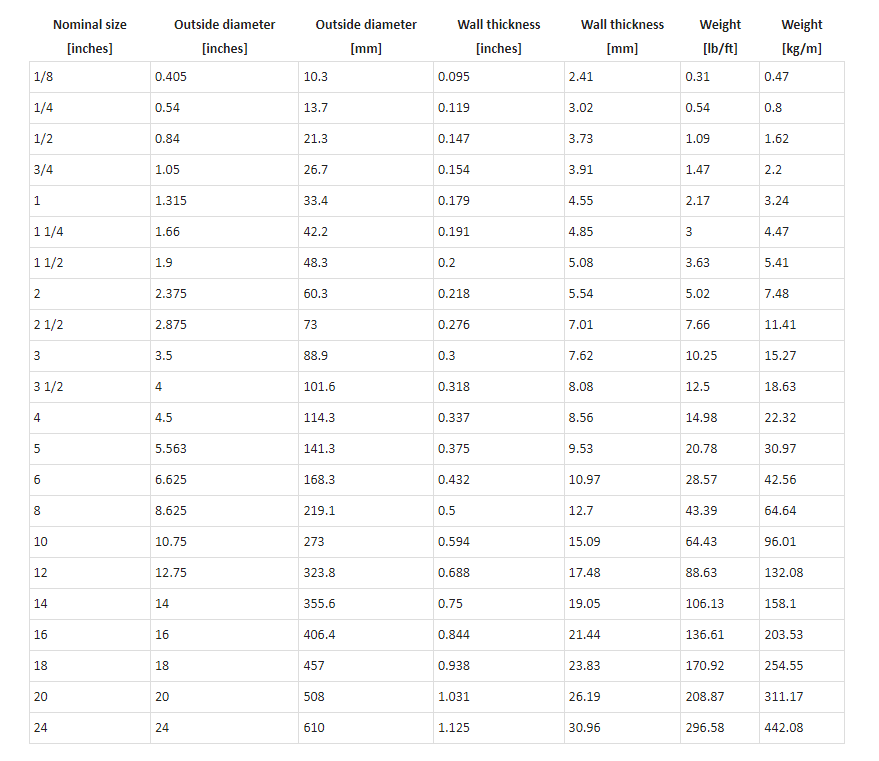
Schedule 80 pipe steel is a type of steel pipe that is designed for heavy-duty applications. It is made from high-strength steel and has a thicker wall than standard pipe, making it more resistant to pressure and deformation. Schedule 80 pipe is commonly used in industrial, commercial, and residential applications where high pressure and durability are required.
Properties of Schedule 80 Pipe Steel
- High Strength: Schedule 80 pipe steel is made from high-strength steel, which gives it excellent tensile strength and yield strength. This makes it suitable for applications where high pressure and loads are present.
- Thick Wall: Schedule 80 pipe has a thicker wall than standard pipe, which provides increased resistance to pressure and deformation. This makes it ideal for applications where the pipe is subjected to high internal or external forces.
- Corrosion Resistance: Schedule 80 pipe steel is often galvanized or coated with a protective layer to enhance its corrosion resistance. This makes it suitable for use in harsh environments where exposure to moisture and chemicals is present.
- Durability: Schedule 80 pipe is highly durable and can withstand extreme temperatures, pressure, and mechanical stress. This makes it a reliable choice for long-term applications in demanding environments.
Applications of Schedule 80 Pipe Steel
Schedule 80 pipe steel is used in a wide range of heavy-duty applications, including:
- Industrial Piping: Schedule 80 pipe is commonly used in industrial piping systems for conveying fluids, gases, and chemicals under high pressure.
- Commercial Plumbing: In commercial buildings, Schedule 80 pipe is used for water supply lines, fire sprinkler systems, and other plumbing applications where high pressure is required.
- Residential Plumbing: Schedule 80 pipe can be used in residential plumbing systems for high-pressure applications, such as water supply lines for appliances or outdoor irrigation systems.
- Oil and Gas Industry: Schedule 80 pipe is used in the oil and gas industry for transporting crude oil, natural gas, and other fluids under high pressure.
- Power Generation: Schedule 80 pipe is used in power generation plants for conveying steam, water, and other fluids under high pressure and temperature.
Advantages of Schedule 80 Pipe Steel
- High Pressure Capacity: Schedule 80 pipe can withstand higher pressure than standard pipe, making it suitable for applications where high pressure is present.
- Increased Durability: The thicker wall of Schedule 80 pipe provides increased durability and resistance to deformation, making it ideal for long-term applications in demanding environments.
- Corrosion Resistance: Galvanized or coated Schedule 80 pipe offers excellent corrosion resistance, making it suitable for use in harsh environments.
- Versatile Applications: Schedule 80 pipe is versatile and can be used in a wide range of heavy-duty applications, including industrial, commercial, and residential.
Disadvantages of Schedule 80 Pipe Steel
- Higher Cost: Schedule 80 pipe is more expensive than standard pipe due to its thicker wall and higher strength.
- Heavier Weight: The thicker wall of Schedule 80 pipe makes it heavier than standard pipe, which can be a consideration for certain applications.
- Difficult to Install: Schedule 80 pipe can be more difficult to install than standard pipe due to its thicker wall and increased weight.
Conclusion
Schedule 80 pipe steel is a high-strength, durable, and corrosion-resistant material that is ideal for heavy-duty applications. Its thicker wall provides increased resistance to pressure and deformation, making it suitable for use in industrial, commercial, and residential applications where high pressure and durability are required. While Schedule 80 pipe is more expensive and heavier than standard pipe, its advantages often outweigh its disadvantages for heavy-duty applications.
Post a Comment for "Understanding Schedule 80 Pipe Steel For Heavy-Duty Applications"